
Trust Is the Product
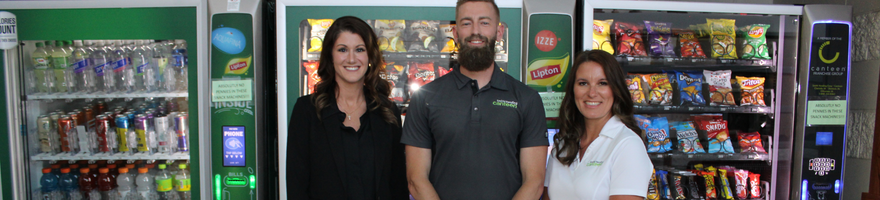
Ashilyn Sunderman’s secret sauce to business is building loyalty the old-fashioned way, with people.
People in this business spend plenty of time debating equipment, technology, and data, and for good reason. If desired, a business can measure almost everything now, from what sells to when it sells to how fast a machine goes down and comes back up. What is harder to measure is the thing that can make or break a business: trust in a service and consistent experience. Ashilyn Sunderman, CEO of Smith Vending Canteen, has built her leadership philosophy around that gap. It is the same competitive advantage she learned from her father years ago. That customers stay when they feel taken care of, and they leave when they do not.
The Call (and Calling) She Did Not Expect
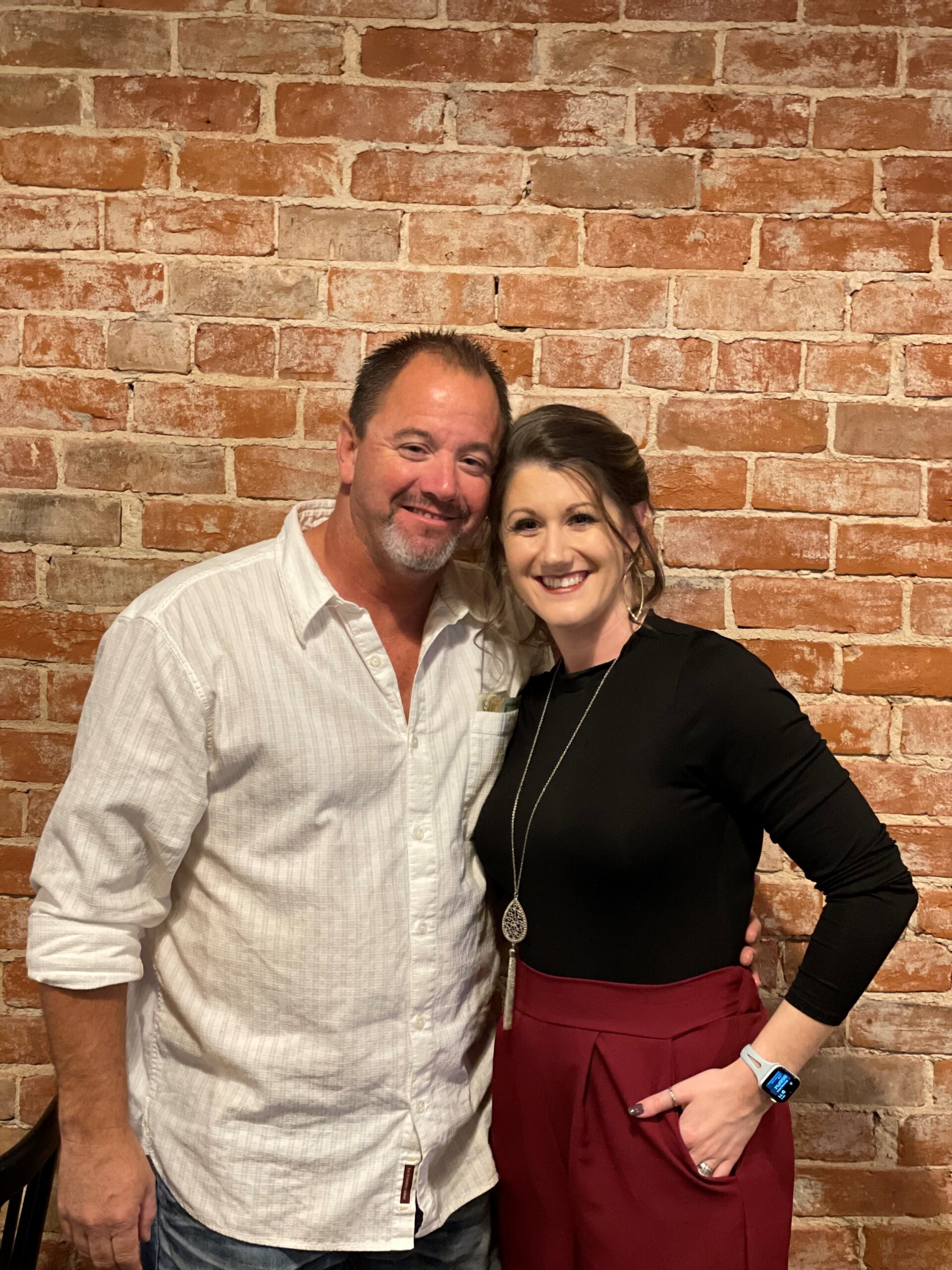
Smith Vending was not always Ashilyn’s plan. It was, for most of her early life, her father’s work. Rod Nester started in convenience services in 1988 as a high school senior. He had planned to go to college, but the plan changed when he and his wife began to have a family. He went to work for a vending machine operator named Lyle Smith and eventually became the person running the operation and expanding its territory. Over years of work across Kansas and Missouri, Lyle Smith’s business grew, and in 2007, he sold the Iowa division to Nester.
Ashilyn was a senior in high school when her father bought the company. By that point, she already had her eyes on the exit from small-town Iowa. She knew she wanted something else. The business still felt like her dad’s, not hers.
She got an unexpected call while she was in college in Maryville, Missouri, working nights at a hospital and studying accounting, building what she imagined would be a clean, professional exit from small-town Iowa. Her father, Nester, had just landed in California when he realized the receptionist at the family business had to leave, and nobody was there to count the day’s money. He called Ashilyn as a one-time favor, and she drove in the next day, learned the process over the phone, and got it done.
Having that extra hand proved to be handy in more ways than one for Nester, and soon he asked her to come back once a week to stay fresh on the processes and serve as a backup more formally. That changed slowly, and then completely.
In time, Ashilyn learned the work suited her. Somewhere in the middle of being an extra hand for her father, she was surprised to discover she enjoyed the work. “It turns out I am better at management than I was at accounting,” she says. It wasn’t long before she changed her major from accounting to business management. When she graduated, she stayed on full-time.
Learning More Than Just a Vending Machine Business
Today, Smith Vending Canteen operates across a wide portfolio. Full-line vending, micro markets, office coffee, and a pantry-style program the team calls “bottomless break room” are all part of the mix. Three warehouses anchor the operation, roughly 15 routes carry the service territory, and about 40 employees run it across a multi-state footprint spanning Iowa, Missouri, and Nebraska.
That range of services creates a range of customer expectations, and Ashilyn has had to learn to think across all of them. The micro market customer is not the same as the plant floor vending customer. The office coffee client wants something different from the company using bottomless break room. What runs underneath all of it, she argues, is the same thing.
“It doesn’t matter how great your technology is. It doesn’t matter how new your machines are or how up-to-date your products are,” she says. “It really comes down to the service that you give the customer.”
Her clearest example is the kind that may make operations-minded leaders uncomfortable. Some of her best route drivers do not always pull every stale item or may not always match planograms. Yet she’s learned that their customers still love them, and that loyalty, in Smith’s experience, is what keeps competitors out. An account that trusts its driver will not trade away that relationship for a slightly newer pitch.
That is not permission for sloppy execution, she’s quick to point out. It is a reminder about what customers actually buy, and what makes a relationship resilient when something inevitably goes wrong.
The Dollar In the Machine
Ashilyn does not describe this service philosophy as something she arrived at fully formed. She earned it the slow way.
Earlier in her career, she admits that if a customer called to report a lost dollar in a machine, she would sometimes respond with the same impatience the caller brought to the conversation. It took time and enough difficult conversations to teach her a different reflex.
“You have no idea what else their day included,” she says now. The person calling about a dollar might have lost something much larger earlier that morning. A little compassion at the right moment costs nothing, and the account will remember it long after the dollar is gone.
She’s applied the same recalibration to how she led her team. “Being more than just the person who signs their paycheck,” she says, “makes a huge difference in how people show up and how hard people are willing to work.” The caring employee was sometimes more important than the perfect one.
Perspective Is a Discipline
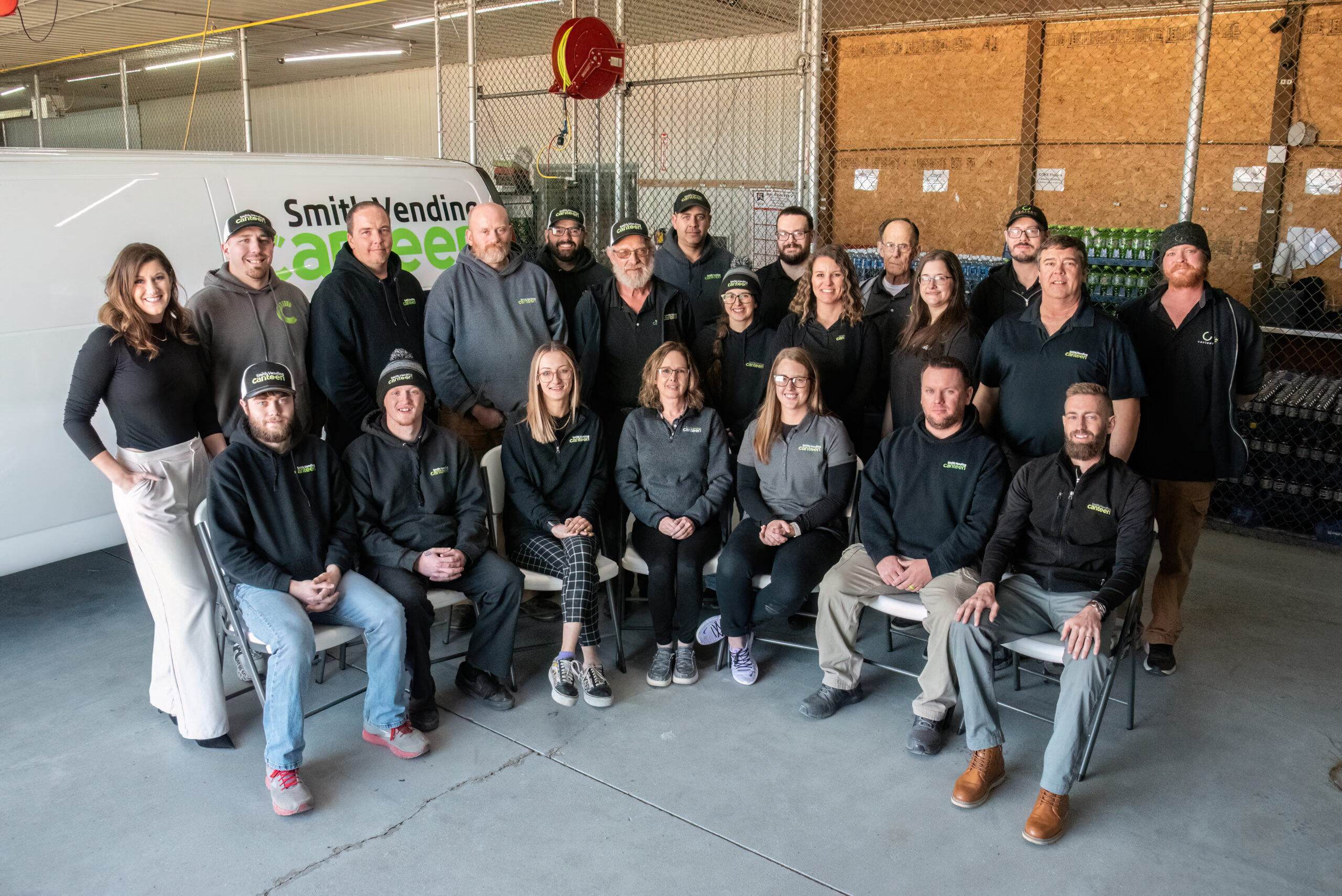
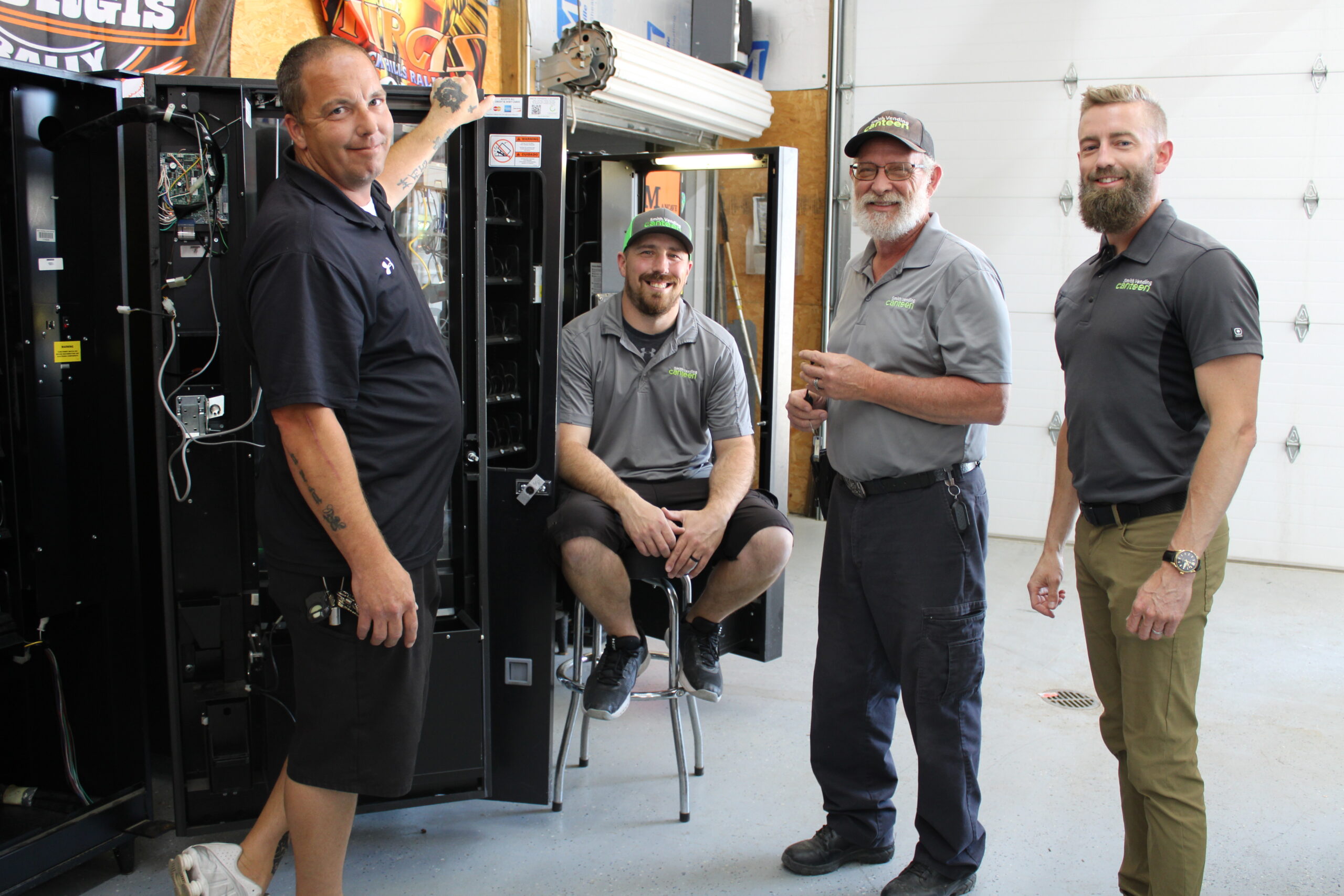
Growth tested that belief. It meant hiring with intention and developing expertise, trust, and capabilities with her growing team. “I treat everyone like family, but having a close-knit leadership team that understands my goals and point of view for the future is everything,” she says. She manages alignment through weekly “power meetings” that bring managers, service technicians, branch leaders, and sales into one conversation about what is working, what needs attention, and where the company is heading. She also shares her own constraints and the things she is struggling with at those meetings. Transparency at the top, she has found, tends to travel through the organization.
Her leadership bench also includes people she hired years ago who have worked their way up. Her office manager, now her number two, started in the warehouse seven years ago. When she needs someone to bounce ideas off of, she has a person she trusts, and the company is stronger because it does not rely on the owner being everywhere at once.
However, running a company in a smaller community can narrow a leader’s field of vision, and Ashilyn is honest about the tunnel vision that comes with staying focused on day-to-day operations. Involvement with NAMA, including the Emerging Leaders Network (ELN), has been part of how she keeps that from becoming a liability.
She points to relationships built through years of industry engagement as some of the most practical tools in her business. She has friends and peer operators across the country, from Louisiana to Indiana, and when something difficult comes up that she wants to think through outside her own walls, she calls them. Recently, she reached out to contacts in the Dakotas for an outside perspective on something she was navigating.
She also credits that involvement with revealing how much the industry itself has changed. When she started, industry gatherings were predominantly attended by older men running vending machine companies. More women are in leadership now, and younger operators are building businesses in their own image, she points out. She’s proud of her early involvement in ELN and credits the community and network for propelling that forward.
Being involved in NAMA over the years has really been a gamechanger for me. We’re also a Canteen franchise, and so I’ve had that family to lean on, but the networking that you do at The NAMA Show and the one-on one conversations you have with members really kind of expanded my view.”
Ashilyn Sunderman
And from where she sits, it’s a pretty good view.
Stay Informed. Stay Ahead.
NAMA members get more than representation—they get resources. This article originally appeared in NAMA’s member-only magazine InTouch.