
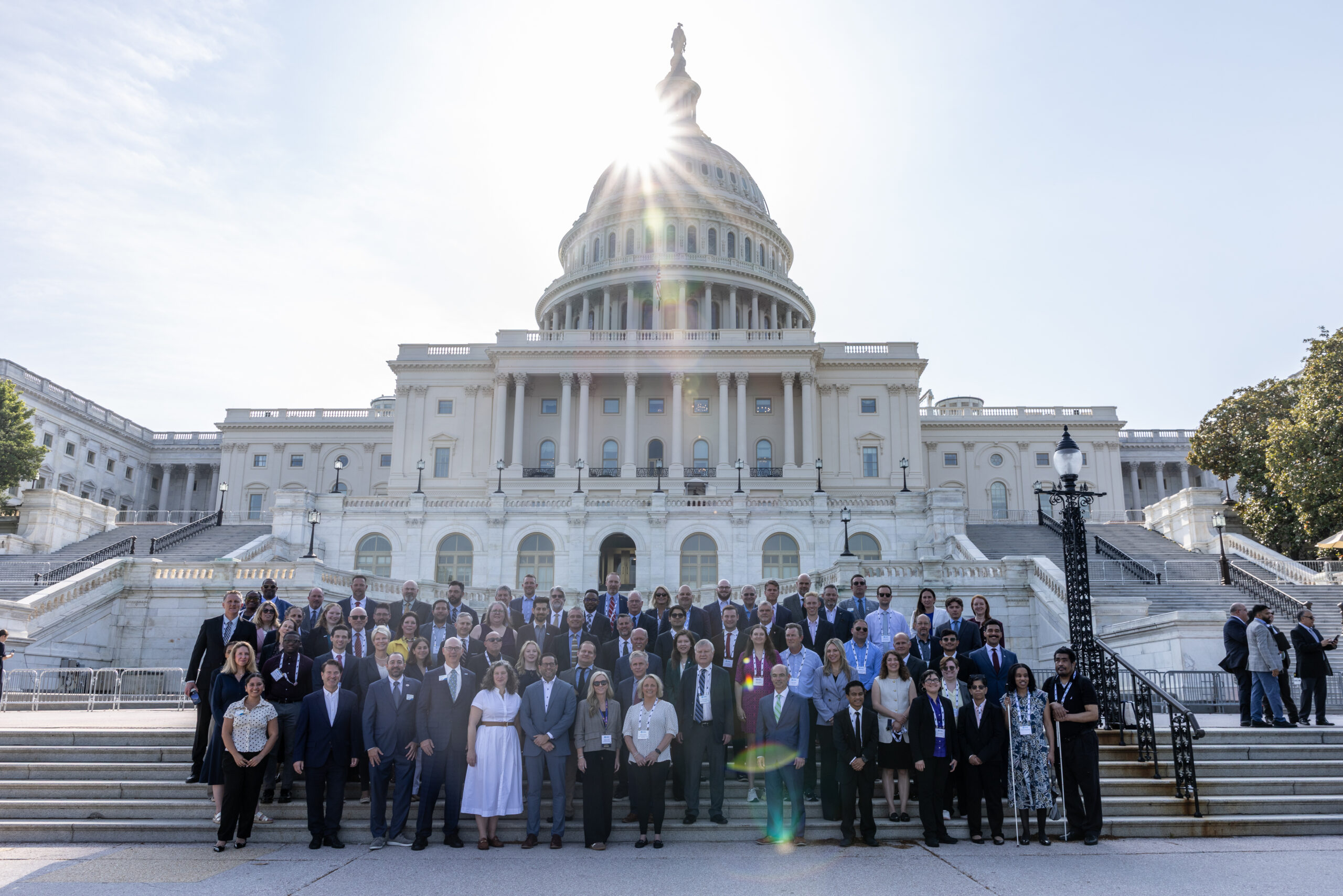
For two days each year, the businesses that make up convenience services step away from supporting millions of consumers to do something just as important: strengthen the future of the industry they share.
The people of the convenience services industry spend most of their time making sure someone else has what they need. It is an industry built on showing up and being ready for the clients it serves.
This June, for two days, nearly 120 industry leaders were ready for advocacy to ensure continued access to the food, beverages and in demand essentials. It was a different kind of service, but a familiar purpose: showing up to ensure the industry can be ready to serve the clients and communities who rely on it every day.
Operators, suppliers, and allies came to Washington for the 11th NAMA Fly-In & Advocacy Summit. Instead of customer locations, industry leaders walked the halls of Congress. Instead of solving operational challenges, they answered questions about them. Instead of keeping the day running smoothly, they helped policymakers understand what it takes to make that possible.
NAMA President and CEO Christine Cochran framed the stakes clearly: “The difference between a well-crafted rule and a poorly crafted one almost always comes down to whether the people writing it heard from operators before the language was locked in.”
“The story NAMA can tell on your behalf is only as strong as the people willing to put a face, a name and a real business behind it,” Cochran added.
Throughout the Fly-In, members did exactly that.
Whether the discussion centered on payment choice, national food labeling standards or the growing role of AI in convenience services, the conversations consistently moved beyond policy proposals to practical consequences. Members explained how legislative decisions could ultimately impact business investment, hiring, operational costs and the customer experience.
For some attendees, the most memorable part of the Fly-In wasn’t sharing their business story. Rather it was seeing how receptive lawmakers and congressional staff were to hear it. “My favorite part of being here is being able to make a difference,” said Porter Hinton, chief operating officer of Canteen, North America.
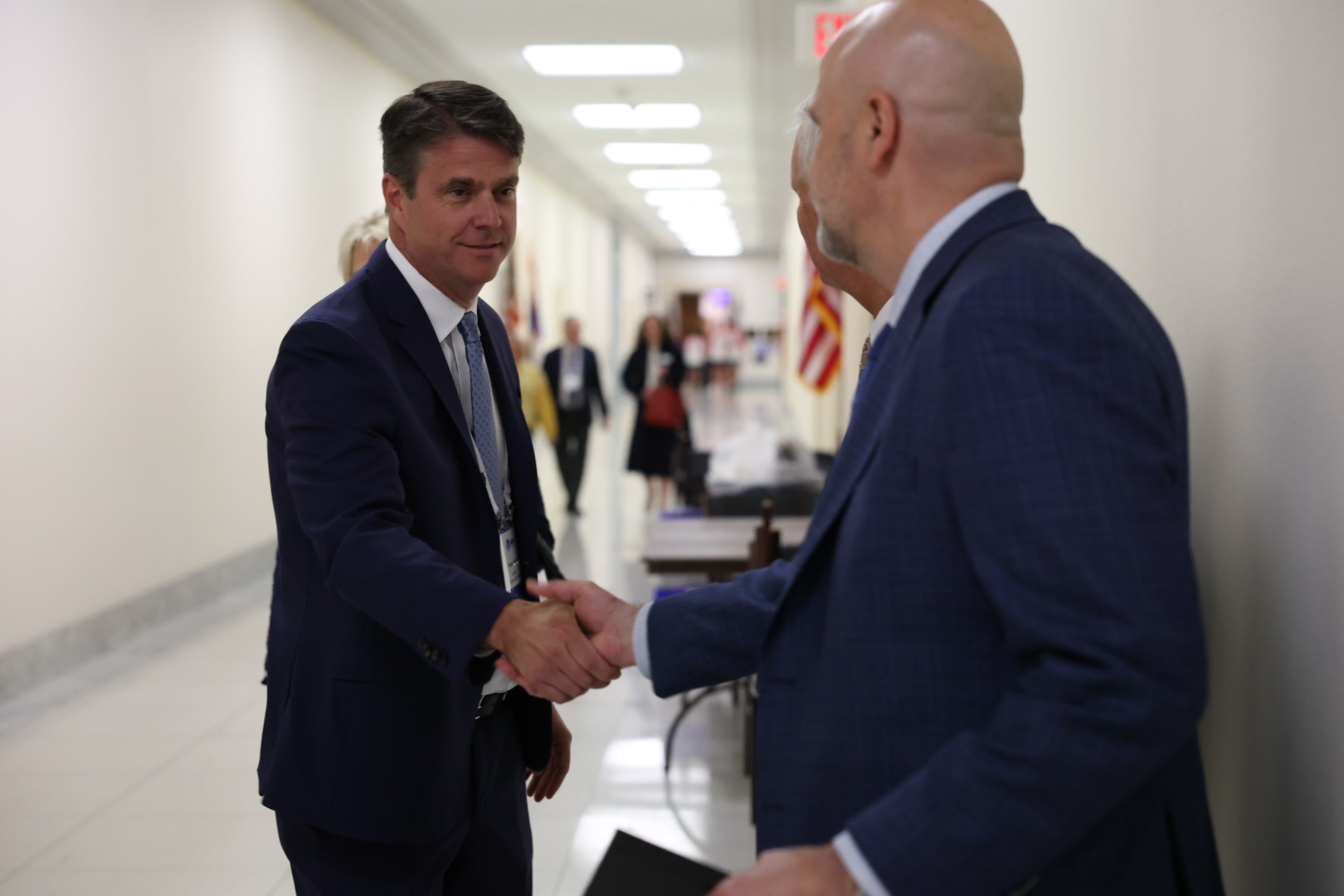
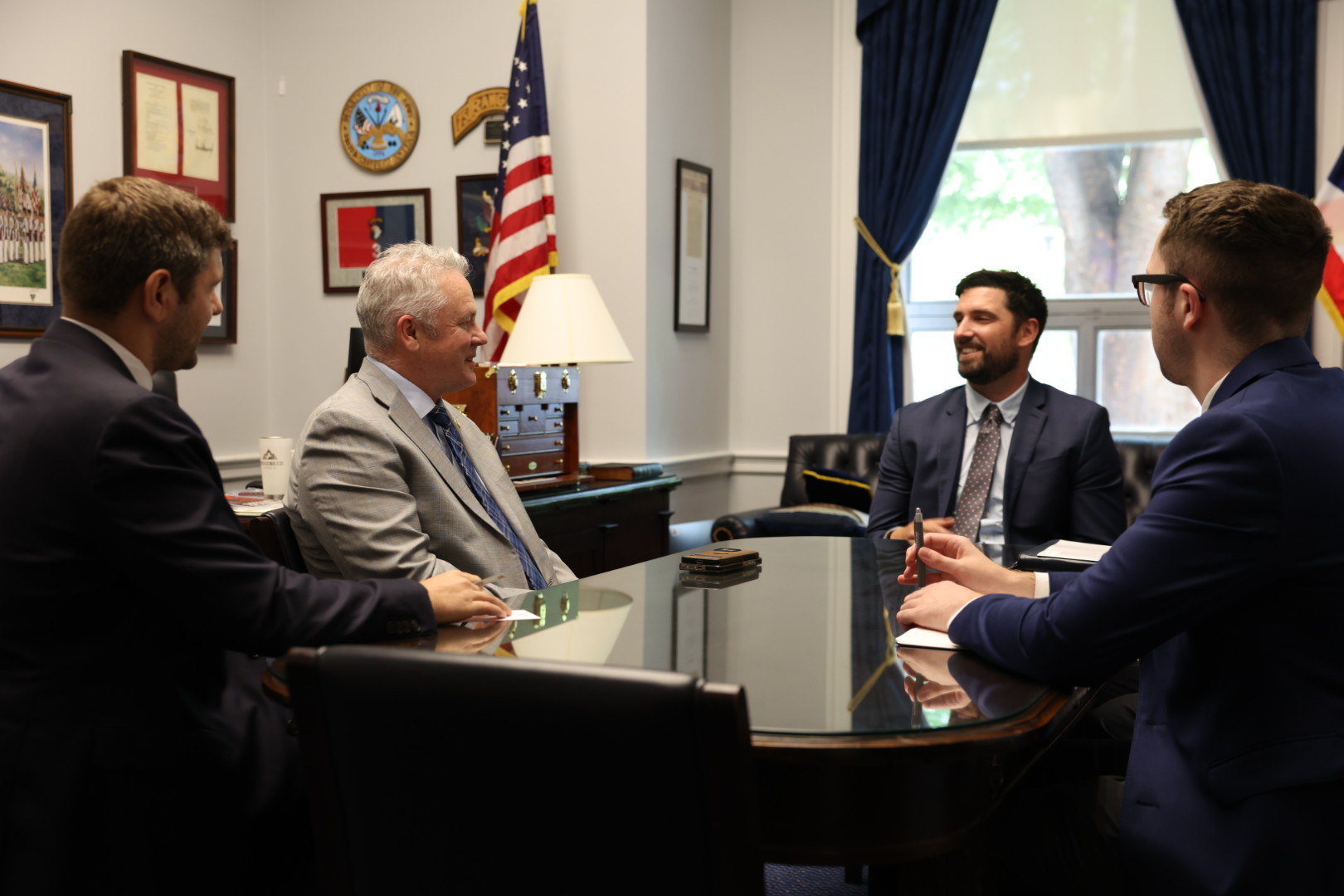
“Instead of complaining at home about what’s happening, we can come here and talk directly with members of Congress about what’s important to our industry,” Hinton said. “They really listen to us.”
The hundreds of legislative meetings made a real impact and helped legislators and their staff understand what it means to replace 5,000 coin mechanisms or why a bill validator can’t fit in a modern smart cooler. These meetings gave policymakers direct access to the people living with the real-world impact of the decisions Congress makes.
A Strong Lineup
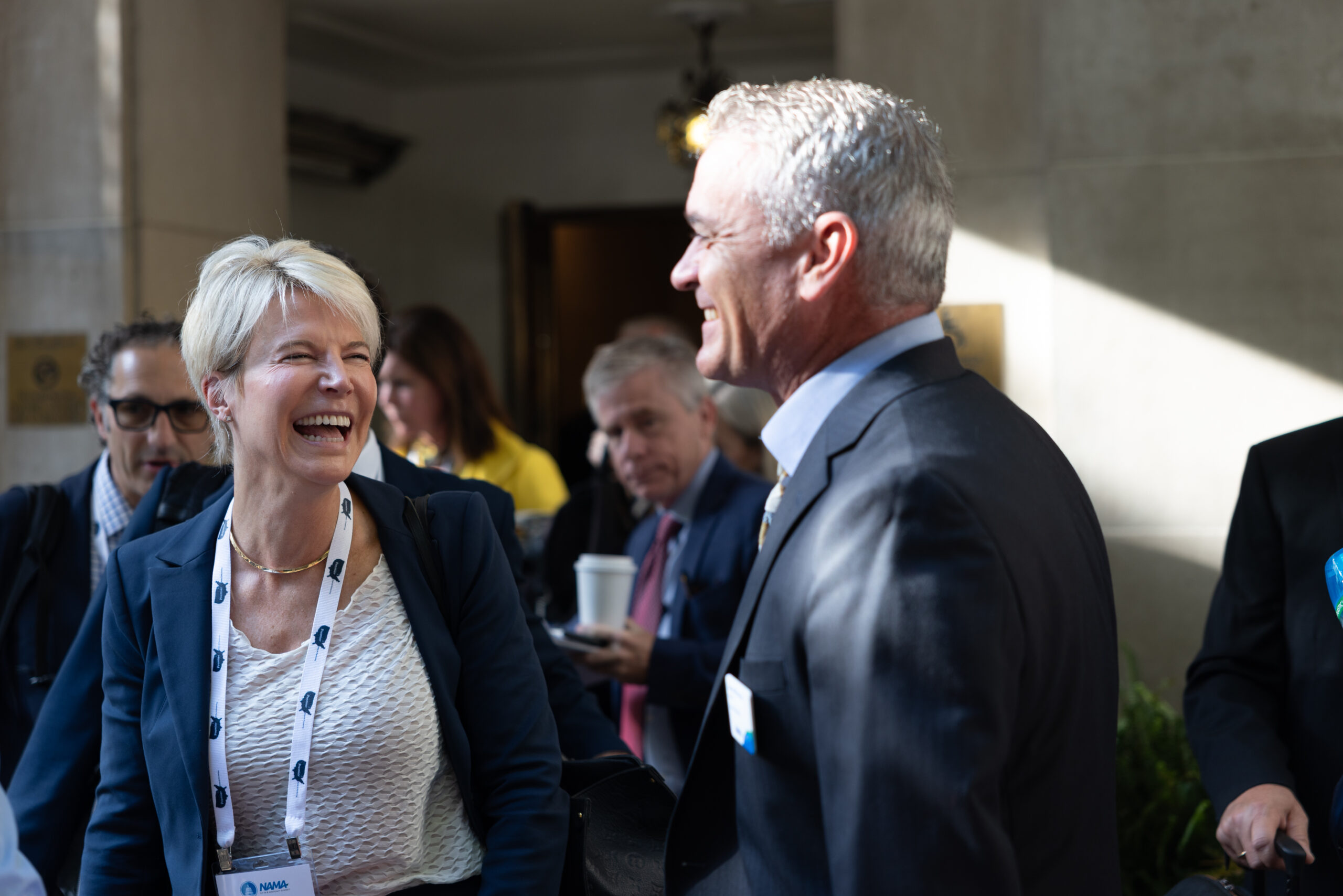
The Fly-In is also one of the few times each year when the entire convenience services ecosystem gathers outside of day-to-day business. Beyond meetings on Capitol Hill, members learned together, exchanged ideas and built relationships through shared experiences, from policy briefings and a visit to the Bureau of Engraving and Printing to the Congressional Baseball Game for Charity.
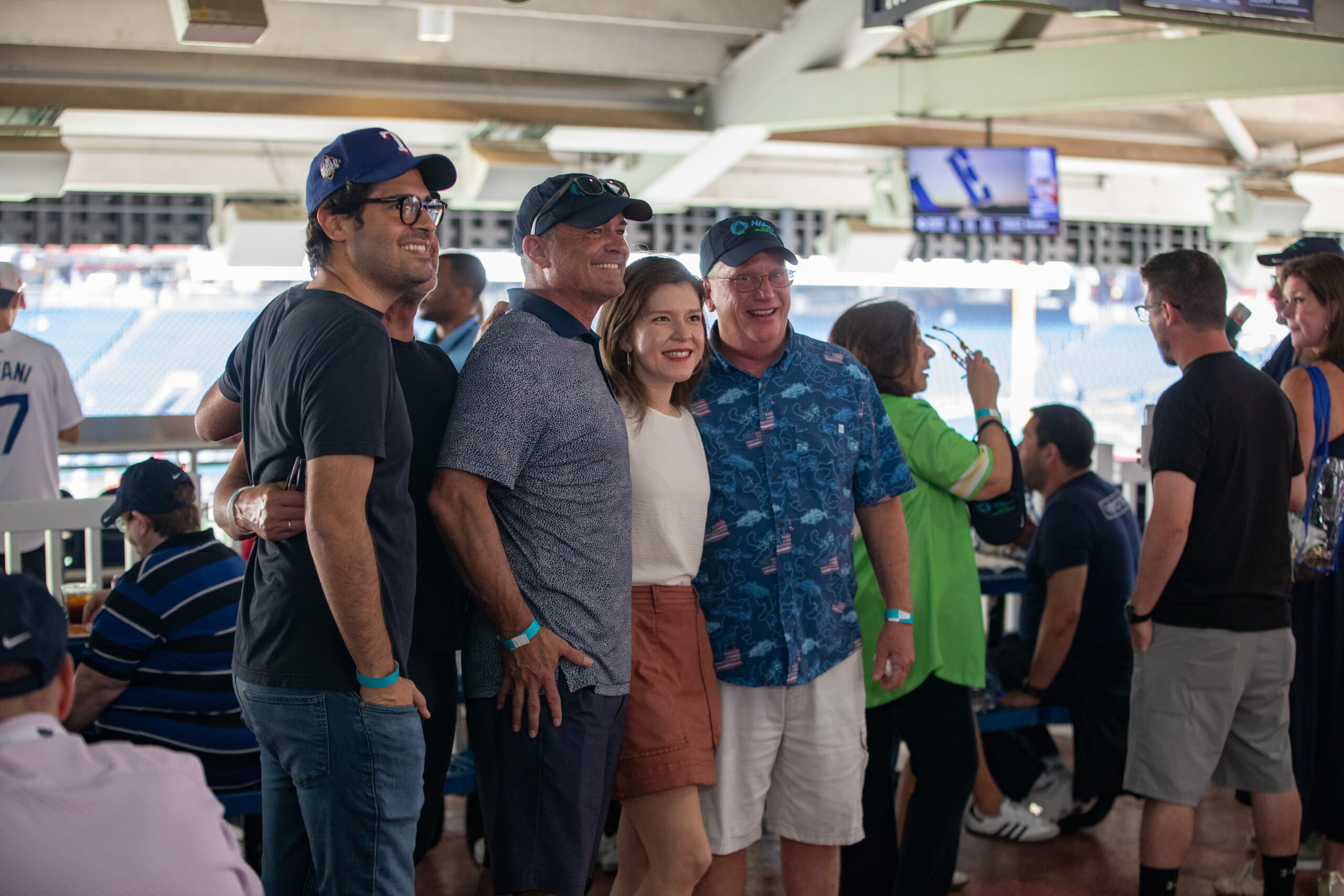
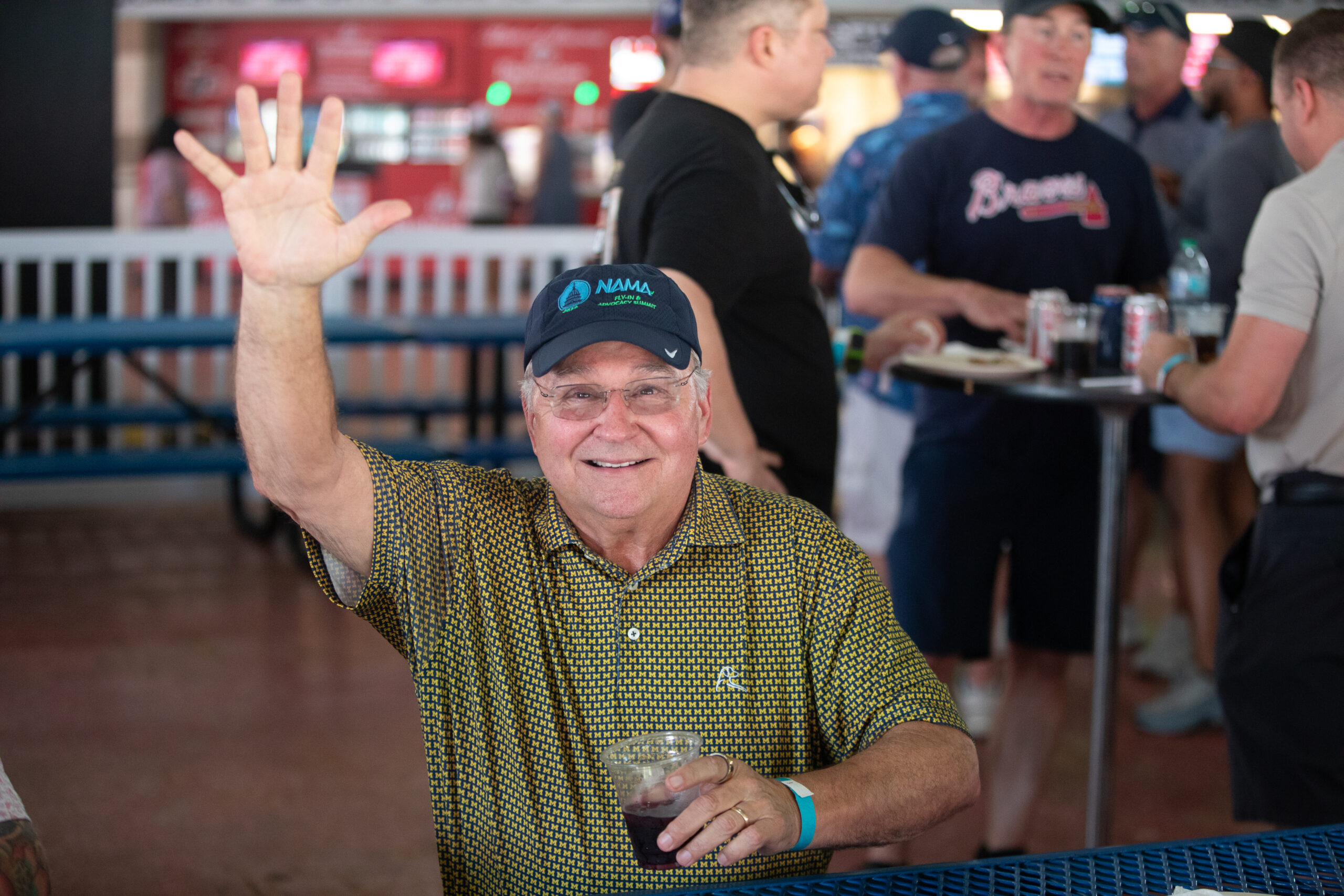
Veteran operators compared notes with fledgling entrepreneurs attending Fly-In for the first time. Manufacturers, suppliers and service providers who spend the rest of the year solving different pieces of the same challenge found themselves contributing to a shared conversation about where the industry is headed.
“It’s nice to be able to talk about coin mechs, trucks, candy, beverages and not have to explain to people what we do,” Hinton said.
For Daniel Antalan, co-founder of Honeycomb Vending, the networking time and exposure was invaluable. “As someone who’s relatively new to the industry, this event gave me the opportunity to meet veteran convenience services leaders I never thought I’d have the chance to meet.”
Those introductions may never appear on the official agenda, but they are part of what keeps members coming back. The relationships built over two days become the foundation for future collaboration, knowledge-sharing and advocacy long after everyone leaves Washington, DC.
The Fly-In may be the industry’s annual gathering in the nation’s capital, but it isn’t the only opportunity to engage. Throughout the year, NAMA helps members host facility tours, meet with lawmakers in their districts and help policymakers better understand the people and businesses of convenience services.
The most effective advocacy is through year-round communication. The NAMA government affairs team is always ready to connect you to the lawmakers who need to hear from you both in DC and at home. Reach out to [email protected].
Stay Informed. Stay Ahead.
NAMA members get more than representation—they get resources. This article originally appeared in NAMA’s member-only magazine InTouch.